Tuesday, November 6, 2007

Combat PTSD: In Simple Terms


Improvised Explosive Device Amputation!


DoYou Know the How the Term PTSD came about?
People exposed to a life-threatening traumatic event, such as combat, genocide, rape, assault, or a serious accident will have physical and emotional reactions to their experience. For some, the effects of the event, and their reactions to it, will be short-lived. For others, the trauma will continue to disturb them and influence their actions and feelings for years.


The long-term emotional response to a traumatic event is called Post-Traumatic Stress Disorder (PTSD). This anxiety-related disorder was officially identified after the Vietnam War. Although not fully understood or recognized until after Vietnam, the emotional effects of war have been with us throughout the ages. Many classic stories of war and its effect on warriors are a part of our culture and literature.


During the Civil War, what is now recognized as PTSD was commonly called “melancholy.” In World War I, the condition was referred to as “shell shock.” Then, World War II and Korea gave us the terminology “combat fatigue.” However, it was not until after Vietnam that the long-term effects of combat trauma were fully understood and began to be effectively treated.
For most of us, even though we may not have known it then and may continue to deny it now, serving in combat was a turning point in our lives. In ways most of our civilian brethren can never understand, we experienced losses during our military service that can endure a lifetime.


Our losses during combat ranged from the intangible loss of innocence and years of our life devoted to military service, to the very real and devastating loss of friends. Never again will the world seem as safe and secure for us as it had before our time in combat. At a very young age, we learned that bad things do happen to good people and that we can do very bad things as well.


"I am part of all that I have met." — Tennyson, Ulysses

© Richard E. O’Dell, 2005


PTSDhelp.net
Tell-A-Friend

Sunday, November 4, 2007

What Effect Did 9/11 Have on You?


This was an ACT of WAR!

What Effect Did 9/11 Have on You?
by E. Everett McFall (c)
November 04, 2007 01:45 AM EST

That day was a day of birth for me. Watching that second tower being struck and then the immediate explosive projection of fire, caused me to mentally reflect back to the "Rolling Thunder" of B52's, the White Sparks of the Super heated acid chemical- "White Phosphorus" and the rolling saturation of fireballs of Gasoline & liquid soap know as NAPALM.

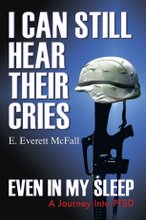
Yes, I was frozen and transported backward (40 years) in time. Within two weeks I was in the Veterans Administration Hospital Mental Health Unit /PTSD. They identified my 40 year struggle with the inner demons that plagued me. It was a mild victory to finally learn that I wasn't alone and that I was NOT CRAZY. Well I knew that all the time. You see, Everybody else, that's right, EVERYBODY ELSE had the Problem- Not Me! Anyway, Those memories tormented my soul so often and intensely, That my first book evolved, "I Can Still Hear Their Cries, Even In My Sleep...A Journey Into PTSD".
www.amazon.com/still-hear-their-cries-sleep/dp/1432704575

"A teenage US Marine Corps Corpsman left the U.S. for a tour in Southeast Asia in 1966...
Forty years later, at age sixty one , he is still fighting through depression, nightmares, and recurring flashbacks with intrusive thoughts. When he speaks of his inner demons today
he states, "I Can Still hear Their Cries, Even In My Sleep".

After living in a bottle for 16+ years (I lost count), over 44 JOBS, three failed marriages and years of psychological therapy and medication... At last I am starting to turn my life around. My forth wife (she says "THE LAST"), and I are both students at University of Indiana Northwest.

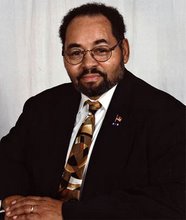
E. Everett McFall is a high energy public speaker with a driving passion to help other Veterans. He is a active member of several non-profit Veterans service organizations.

Saturday, November 3, 2007

PTSD on the RISE


©2007 Minnesota Public Radio

Jesus Bocanegra, 24, talks during a therapy session at a Veterans Administration clinic in McAllen, Texas. Bocanegra has been diagnosed with post-traumatic stress disorder, or PTSD, a result of his service in Iraq in 2003-04. (Photo by Chris Hondros/Getty Images

A recent study from the Department of Veterans Affairs shows that the number of Iraq and Afghanistan vets diagnosed with post-traumatic stress disorder is rising rapidly, and some say the VA is failing to meet the mental health needs of returning soldiers.

Matthew Friedman, MD: Executive director of the VA's National Center for Post-Traumatic Stress Disorder. He's a professor of psychiatry and pharmacology at Dartmouth University.
Ilona Meagher: Author of "Moving a Nation to Care: Post-Traumatic Stress Disorder and America's Returning Troops."

Paul Sullivan: Director of Veterans for Common Sense. He is a veteran of the Gulf War and worked for the Department of Veterans Affairs from 2000-2006.


Late veteran of Iraq war honored in launch of foundation (08/30/2007)
Minnesota Guard troops subject of war trauma study (07/22/2007)
Number of homeless vets is small, but growing (03/14/2007)
Resources
About Dr. Friedman
National Center for PTSD
U.S. Department of Veterans Affairs
Veterans for Common Sense
About Ilona Meagher

I was homeless for five (5) years, sleeping in cars, storefronts, garages, basements, shelters, anyplace that would offer a few moments of undisturbed shuteye. E. Everett McFall

Thursday, November 1, 2007

PTSD_Alerts


Web-Based Treatment for PTSDAm J Psychiatry (subscription) - USAReductions in posttraumatic stress disorder (PTSD) and depression among military service members were greater with an 8-week program of cognitive behavior ...See all stories on this topic

Depressed Vets Have Seven-Fold Higher Suicide RateMedPage Today - Little Falls,NJ,USAPosttraumatic stress disorder (PTSD) was associated with a lower risk for suicide, but only in older veterans who had been diagnosed with depression, ...See all stories on this topic
Failure of Extinction of Fear Responses in Posttraumatic Stress ...Am J Psychiatry (subscription) - USAOBJECTIVES: Posttraumatic stress disorder (PTSD) is characterized by the re-experiencing of a traumatic event, although the trauma itself occurred in the ...See all stories on this topic


New Waco VA center director has broad research missionWaco Tribune Herald - Waco,TX,USAChet Edwards, D-Waco, who has secured $3 million for Young's study on the root causes of PTSD, also played a role. Having a nationally respected researcher ...See all stories on this topic


A Randomized, Controlled Proof-of-Concept Trial of an Internet ...Am J Psychiatry (subscription) - USAMETHOD: Service members with PTSD from the attack on the Pentagon on September 11th or the Iraq War were randomly assigned to self-management cognitive ...See all stories on this topic


Complex Adaptations to Traumatic Stress: From Neurobiological to ...Am J Psychiatry (subscription) - USAHowever, it was not until 1980 that APA first included posttraumatic stress disorder (PTSD) in the Diagnostic and Statistical Manual of Mental Disorders ...See all stories on this topic


How do you feel about todays post?

Tuesday, October 30, 2007

PTSD, What is it?


PTSD, What is it? Vol 1


by Chaotic Ramblings
WAMarine
December 07, 2006 10:24 AM EST (Updated: December 09, 2006 11:13 AM EST)
comments: 11

PTSD or Post Traumatic Stress Disorder is a panic disorder caused by experiencing something traumatic. Some examples of trauma are: rape, WAR, car wrecks, 9/11, abuse and much more. For some people, this trauma takes over their lives; waking and sleeping. Suddenly, their lives change because they smell a certain scent, hear someone's voice or find themselves in an environment similar to the one where they experienced the trauma. These experiences then set off a chain of events: flashbacks, actual reliving of the trauma, overwhelming feelings of danger and panic attacks. People that suffer from PTSD never really know what will set it off; it could be anything and happen anywhere. Little by little, PTSD sufferers start to cut themselves off from persons, places and things that might cause a flashback and before they know it, they have cut themselves off from everyone and everything.

National Center for Post Traumatic Stress Disorder definition of PTSD

Post Traumatic Stress Disorder, or PTSD, is a psychiatric disorder that can occur following the experience or witnessing of life-threatening events such as military combat, natural disasters, terrorist incidents, serious accidents, or violent personal assaults like rape. Most survivors of trauma return to normal given a little time. However, some people will have stress reactions that do not go away on their own, or may even get worse over time. These individuals may develop Severe PTSD. People who suffer from PTSD often relive the experience through nightmares and flashbacks, have difficulty sleeping, and feel detached or estranged, and these symptoms can be severe enough and last long enough to significantly impair the person's daily life.


PTSD is marked by clear biological changes as well as psychological symptoms. PTSD is complicated by the fact that it frequently occurs in conjunction with related disorders such as depression, substance abuse, problems of memory and cognition, and other problems of physical and mental health. The disorder is also associated with impairment of the person's ability to function in social or family life, including occupational instability, marital problems and divorces, family discord, and difficulties in parenting.

Special Thanks To: Chaotic Ramblings
WAMarine---Semper Fi

What's Your Take On This?
Do You Know Someone With PTSD?

Sunday, October 28, 2007

Postwar Psychological Trauma Insight


A Long time ago in a land far away, I went to war for LBJ. Nearly three million of us served in that country Vietnam. We returned with a lot of broken parts and Purple Hearts. For those who have not seen, No explanation is possible. For those who have seen, No explanation is necessary.
I’m very proud of “Doc” McFall; he was able to reveal with plain, graphic words, ‘combat conditions,’ as they were. He has laid it out for even nonmilitary folk to understand, especially for those not touched by the Vietnam War. More importantly, he provides an insight into the plight of those of us who suffer from PTSD.

Thank you my Brother for sharing your story, the misery of war as well as its aftermath—the mental hardship of death and destruction, the nightmares and flashbacks with vivid intrusive and suicidal thoughts. You opened up your soul, exposing your human feelings, the agony of postwar psychological trauma. We pray for you, your recovery, your loving and caring wife Jessica, and your renewed relationship with God (“Big Ernie”, to us ‘Nam Vets).

E. Everett is a survivor who keeps on keeping on, a Marine who does not know the how to give up. “I Can Still Hear Their Cries, Even in My Sleep” is a Journey out of the Darkness of Hell into the Light of Hope and Recovery. It’s also a Journey of Possibility and Healing from the Horrors of War, to God’s Victory and Peace of Mind.

“Doc McFall,” YOUR BOOK IS A MUST READ FOR ALL! Keep on writing, my Brother!
Keep the Faith, just let the past go, and let God handle it! In the end, “Heaven Will Bless.”
"Love You Brother, Welcome Home…"


Semper Fi
Pfc. Jay E. Keck, Machine Gunner
Vietnam Veteran Class of 1966-67
Echo 2/7 1st Marine Division Aka: http://www.vietnambogeyman.com/

Saturday, October 27, 2007

If You Suffer From PTSD, U_R_Not Alone!


Book Review
By Ed Evans

“I Can Still Hear Their Cries – Even In My Sleep; A Journey Into PTSD," By E. Everett McFall. Published by Outskirts Press, Inc. 60 pages. Softcover.

Having been on the receiving end of the marvels of Naval medicine, by "Corpsman" in the Republic of South Vietnam, the title of “Doc” is sacred to me, as it is to so many Marines.

The first thing you need to know about his book of mixed narrative and poetry... you will know from the subtitle, “Even In My Sleep – A Journey Into PTSD.” For many of us Marines, it’s important you know that before you start reading. As I got into the book, I could feel myself drifting toward the edge of the cliff. It doesn't take much to put many of us right back into yesterday; sights, sounds, the whistle of incoming mortars, the crunch as they hit, the cold sweats.

There’s an old joke about two Marines talking about Vietnam. One asks the other, “When you were you there?” The other responds, “Last night.” Yeah.

This book is Doc McFall’s journey, as the title says, into PTSD. The liner info on him reads, in part, “After 40 years, over 44 jobs, three failed marriages, and five years of psychological therapy, E. Everett McFall is now a full time student at the Indiana University Northwest.”
His book is a series of bread crumbs showing the way back out. With the help of many others, he found a way, and the book shares that. If you suffer from PTSD, if you think you’ve learned how to handle it, if you have friends or family members who are “still on their way home,” this might be the book that lets them know they aren’t alone.

Dr. Regina V. Jones, a professor at Indiana University Northwest, has said of this book, “…a cathartic work that takes a reader into the torment and pain of a Vietnam War veteran who, through poetry and prose, provides a reader with a shocking sensory insight into life as a Marine Corpsman and a surviving veteran.”
What she writes is valid, but civilians will never get to the level of understanding that this book will bring to any Marine who reads it. Below that level you can’t explain it. At that level, you don’t need to. Rated as FiveStars.


Ed Evans served the Marine Corps from 1959 to 1986 as a Marine Combat Correspondent and Photojournalist. At his home in Nashville, Tennessee, he is involved in a number of Marine and veterans organizations. He is also Pastor of Donelson Christian Church.

Ed EvansMGySgt., USMC (Ret.)Not as lean, not as mean, but still a Marine. http://community.webshots.com/user/photo8069 http://donelsonchristianchurch.orgPUT AMERICA FIRST! Stop being a good Democrat. Stop being a good Republican. Start being a good American.”


Tuesday, October 23, 2007

Does Depression Hurt?


In the Military, Too often it was taught, drilled and instilled in us that 'Real Men Don't Cry.' We can never allow ourselves to be emoitonaly weak. We were trained to be strong, resilient and always tough it out. That's what a real warrior does, is it not? Well, Not always. Sometimes Men who have been subjected to traumatic events under combat conditions have flashbacks of those events.


The mind replays sights and sounds permanently recorded and stored within its memory bank. These intrusive thoughts can occur at night ( as nightmares) or as flashbacks during the waking hours. They can be "Triggered" by any stimuli of our sensory system: certain sounds, visual objects/places, smells and even taste. Most Vietnam Veterans have unfavorable responses to loud noises, crowds, wooded and or forest areas. The Iraqi Veteran also has to deal with desert sand, alley-ways, and house to house urban dwellings.


Depression can occur when the memory of death of a fellow Marine(s) /Soldier(s) returns and haunts us, or lingers for days on end. Sometimes he / or she will wonder why God sparred them...Thus they will feel a mental burden called SURVIVORS GUILT. These depressive states are now known as Post Traumatic Stress Disorder, PTSD for short. Thousands of us have it. We are Burdened by the PAIN. We argue spontaneously, we are temperamental, we sulk/self isolate ourselves, and Yes-WE CRY. Wouldn't You?

What is your opinion?

Post-Traumatic Stress Disorder?
Stress Management?
This Current War?

Friday, October 19, 2007

BOOK REVIEW OF:

I CAN STILL HEAR THEIR CRIES, EVEN IN MY SLEEP
By E. Everett McFall

By Grady Harp (Los Angeles, CA United States) - See all my reviews
An Amazon Top Ten Reviewer
A Corpsman's Response to The Vietnam War: Sequelae, October 13, 2007


E. Everett McFall offers his own tragedies and illness and gradual recovery from the Post Traumatic Stress Disorder, the result of giving medical aid to the living and the dead during his tour of duty in Vietnam, 1966/1967. Responding to a therapist's advice to commit the unspeakable experiences to a written journal was the impetus to launch his slow and terrifying road to recovery, a journey that in his own words persists to this day.

The results of that initial journal are here in this collection of thoughts, reflections and poems he has appropriately titled I CAN STILL HEAR THEIR CRIES EVEN IN MY SLEEP: A Journey Into PTSD. It is a book that would be well for all of us to read and experience as, despite the horrendous accounts of war's disabling effects on the human mind, it is also one of the books that will be considered a retrospective first in the exploration of Post Traumatic Stress Disorder - a 'new' disease state dramatically brought to light by the experiences of Vietnam Vets.

McFall may not be trained as a poet, but he is more than sophisticated as a communicator. Few people who did not serve on a battlefield have an appreciation for the task assigned to Medics or Corpsmen, young lads whose expected life span in country was counted in days rather than in years. These are the 'field docs' who ministered to the wounded, salvaged those they could, and assisted the physicians in assimilating ‘matching’ body parts after mine and grenade and yet larger explosions threw disassembled arms, legs, torsos, feet, etc far from the point of 'enemy engagement', in order to ship the remains to the soldiers' families back home. How any Corpsman could escape psychic damage from such unrelenting trauma is impossible and McFall sensitively expresses the sights, the sounds, the odors, and the tragic aftermath of such an existence.

These poems are raw, difficult to read without a visceral response, but at the same time they demonstrate how at least one survivor, however injured by that experience, was able to revisit that time through poems and mark a path to gradual recovery. McFall generously adds to his book appendices such as 'Tips for Vets and Families Who are Managing Stress' and a 'Veterans Resource Guide and Directory', additions that make this sensitive book as much a gift to the war-experienced reader as it is a gift to the world of poetry. This is a book of courage, survival, and hope - and one well worth the attention of a wide audience.

Grady Harp, October 07